



Managing a construction project is a complex endeavor requiring a combination of technical expertise, strategic planning, and effective communication. Whether you’re overseeing a residential renovation or a large-scale commercial build, understanding the fundamentals of construction project management will ensure your projects are completed on time, within budget, and to the desired quality standards.
What is Construction Project Management?
Construction project management involves the planning, coordination, and execution of construction projects from start to finish. It encompasses everything from initial design to final handover, ensuring all aspects of the project align with the client’s goals and regulatory requirements. Proper management ensures that time, resources, and finances are optimized throughout the project lifecycle.
Key Phases in Construction Project Management
1. Pre-Construction Phase
- Planning and Design: This phase includes creating detailed blueprints, acquiring permits, and budgeting. Engaging architects, engineers, and consultants is crucial at this stage.
- Site Analysis: Evaluation of the construction site to identify potential challenges like soil conditions, accessibility, and environmental impact.
2. Construction Phase
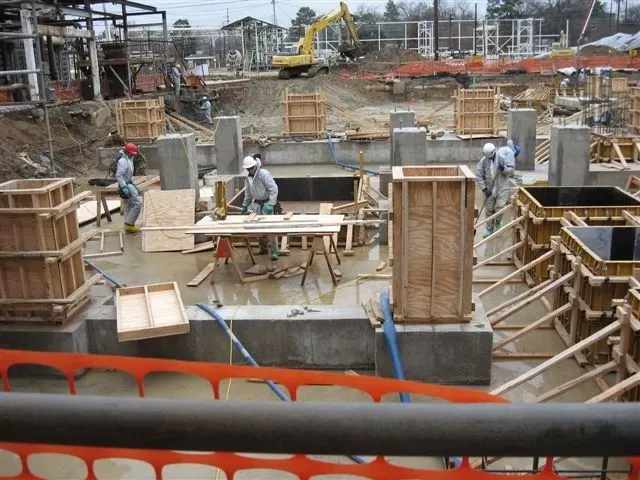
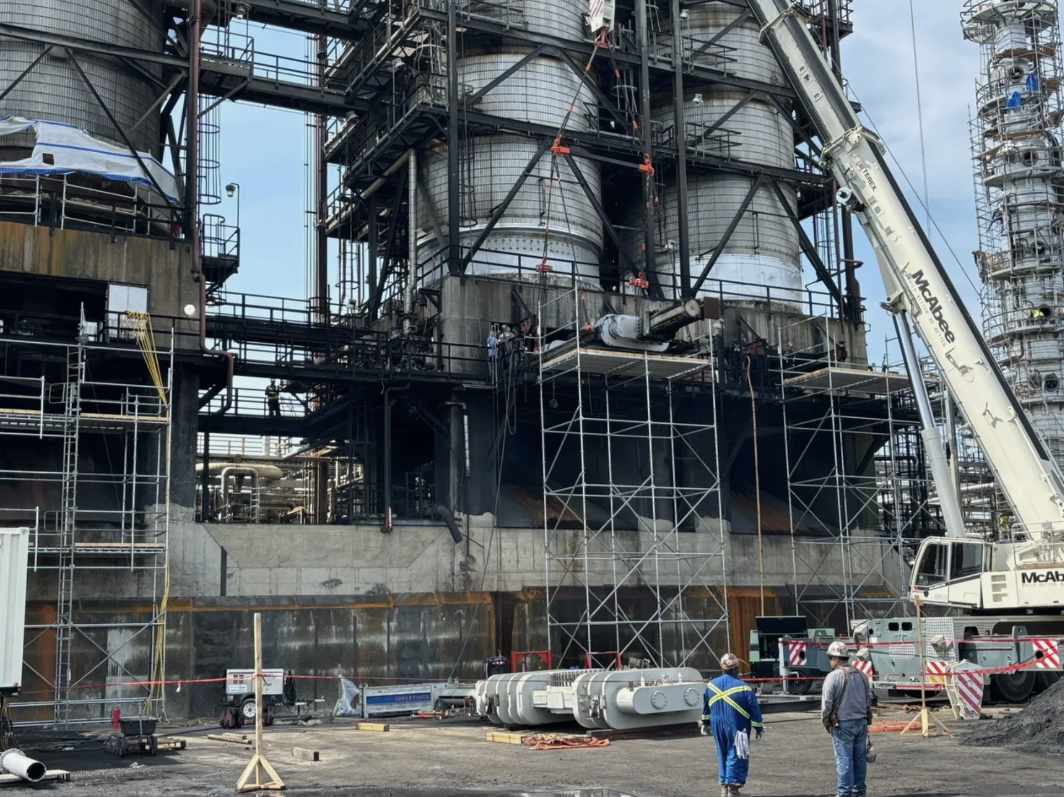
- Execution: Actual construction work begins, managed by a project manager who oversees contractors and ensures adherence to plans.
- Quality Control: Regular inspections are carried out to maintain workmanship and compliance with safety standards.
3. Post-Construction Phase
- Inspection and Handover: Final inspections verify that the project meets specified requirements before handing it over to the client.
- Maintenance Planning: Establishing maintenance schedules and protocols for the completed structure.
Common Challenges in Construction Project Management
Delays in Timelines
Unforeseen circumstances such as weather conditions, supply chain disruptions, or labor shortages can lead to project delays. Mitigation strategies include contingency planning and maintaining strong relationships with suppliers and subcontractors.
Budget Overruns
Poor cost estimation or unexpected expenses can inflate project budgets. Implementing detailed cost tracking and regular financial audits can help manage this risk.
Communication Breakdowns
Effective communication among all stakeholders—including clients, contractors, and architects—is essential. Using project management software can streamline communication and document sharing.
Tools and Techniques for Effective Project Management
Project Management Software
Platforms like Procore or Buildertrend can help track progress, manage schedules, and facilitate communication.
Lean Construction Practices
These practices focus on minimizing waste and maximizing value by improving efficiency and resource management.
Risk Management Plans
Identifying potential risks early on and developing strategies to mitigate them can prevent costly disruptions.
The Role of Technology in Modern Construction Management
Building Information Modeling (BIM)
BIM allows for the creation of detailed 3D models that enhance collaboration and reduce errors during construction.
Drones and Robotics
Drones are used for site surveys and progress monitoring, while robotics can automate repetitive tasks, improving safety and efficiency.
Sustainable Construction Practices
Incorporating green building techniques and sustainable materials benefits the environment and aligns with increasing consumer demand for eco-friendly structures.
Tips for Successful Construction Project Management
- Set Clear Objectives: Clearly define project goals, timelines, and deliverables.
- Build a Competent Team: Hire experienced professionals who share your commitment to quality.
- Maintain Flexibility: Be prepared to adapt to changes and unforeseen challenges.
- Focus on Safety: Regularly train workers and enforce safety protocols to minimize accidents.
- Foster Open Communication: Establish transparent lines of communication to address issues promptly.
How Location Impacts Construction Projects
For projects in Pasadena, Texas, and similar locations, factors like local weather conditions, regulatory requirements, and labor market availability play a significant role. For instance, Texas is known for its hot climate, which can affect material performance and worker productivity. Partnering with local experts who understand these nuances can significantly enhance project outcomes.
Frequently Asked Questions
1. What qualifications should a construction project manager have?
A construction project manager should have a background in engineering or construction management, along with strong leadership and problem-solving skills.
2. How can I ensure my construction project stays on budget?
Regular cost tracking, detailed planning, and contingency funds help keep projects within budget.
3. What are the latest trends in construction project management?
Trends include the use of BIM, sustainable building practices, and advanced project management tools.
4. Why is risk management important in construction?
Risk management helps identify potential issues early, minimizing delays and cost overruns.
5. How does local climate impact construction?
Climate affects material choices, worker productivity, and project timelines. For example, hot climates require heat-resistant materials and hydration strategies for workers.
Construction project management is a dynamic field that requires a blend of technical know-how, strategic thinking, and adaptability. By understanding the principles outlined in this guide, you can approach your projects with confidence and achieve exceptional results.