



Furnace tubes, particularly in reformer units, play a critical role in the production of syngas, which is essential for various industrial processes, including the manufacture of ammonia, methanol, and hydrogen. Over time, these tubes undergo significant wear and tear due to exposure to high temperatures and corrosive environments, necessitating periodic replacement. This article delves into the process of removing and replacing furnace tubes in reformer retube projects, emphasizing the importance of high-quality welding.
Overview of Reformer Retube Projects
Reformer retube projects involve the replacement of the internal tubes of a reformer furnace. These tubes are subjected to extreme conditions and are integral to the reforming process, where hydrocarbons react with steam in the presence of a catalyst to produce hydrogen and carbon monoxide.
Process of Removing Furnace Tubes
- Shutdown and Cooldown: The first step involves safely shutting down the reformer and allowing it to cool to a temperature that is safe for personnel to work with. This step is crucial to prevent thermal shock and ensure the safety of the maintenance crew.
- Preparation and Access:
– Inspection: Conduct a thorough inspection to assess the condition of the existing tubes and identify any specific areas of concern.
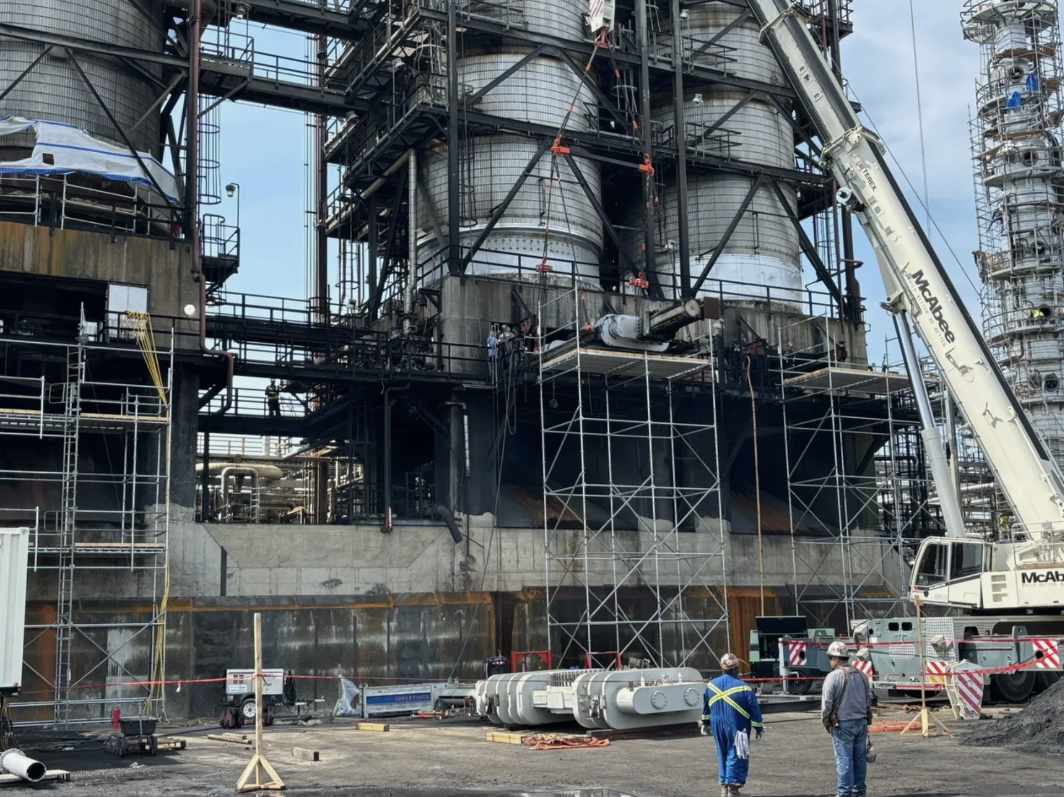
– Scaffolding and Platforms: Erect scaffolding and work platforms to provide safe access to the tubes.
– Removal of Insulation and Casing: Remove any external insulation and casing to expose the furnace tubes. - Tube Removal:
– Cutting and Extraction: Using cutting tools such as oxy-acetylene torches or saws, cut the tubes at designated points. Care must be taken to avoid damaging adjacent tubes or components.
– Handling and Disposal: Extract the cut tubes and safely transport them out of the furnace for disposal. Proper handling and disposal of the old tubes are necessary to comply with environmental regulations.
Process of Replacing Furnace Tubes
- Preparation of New Tubes:
– Material Selection: Ensure that the replacement tubes are made of materials that can withstand high temperatures and corrosive environments. Common materials include high-grade alloys like Inconel or stainless steel.
– Dimensional Verification: Check the dimensions of the new tubes to ensure they match the specifications required for the reformer. - Installation of New Tubes:
– Positioning and Alignment: Carefully position and align the new tubes within the reformer. Proper alignment is critical to ensure uniform heat distribution and efficient operation.
– Support and Securing: Secure the tubes in place using appropriate supports and brackets. This step ensures that the tubes remain stable under operating conditions. - Welding:
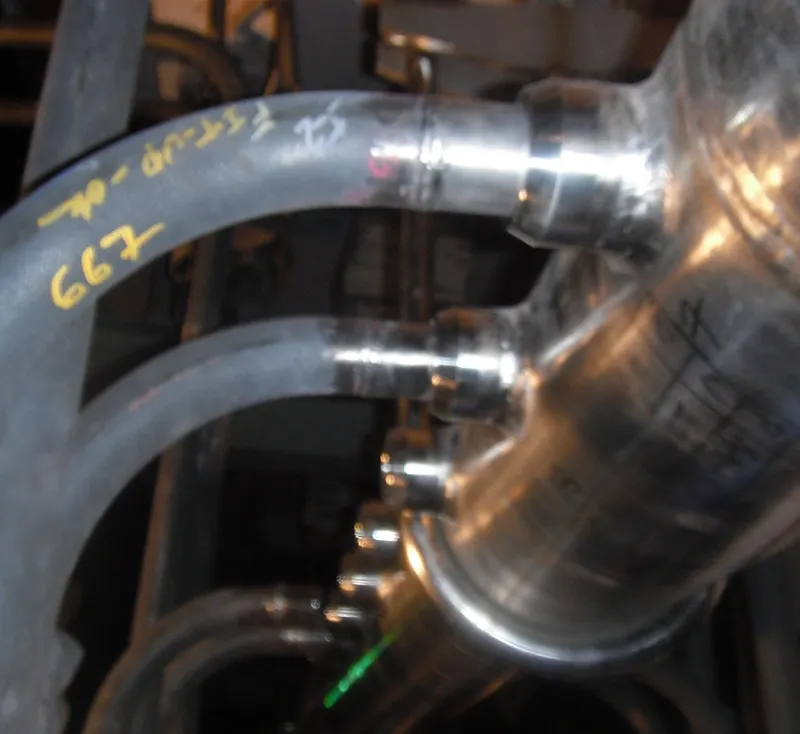
– High-Quality Welding: Welding is a crucial aspect of the retube process. The welds must be of the highest quality to withstand the thermal and mechanical stresses encountered during operation.
– Welding Techniques: Employ welding techniques such as Gas Tungsten Arc Welding (GTAW) or Tungsten Inert Gas (TIG) welding, known for producing high-quality, precise welds.
– Weld Inspection: Conduct thorough inspections of the welds using non-destructive testing methods such as radiographic testing (RT), ultrasonic testing (UT), and dye penetrant testing (DPT) to ensure weld integrity. - Post-Installation Procedures:
– Pressure Testing: Perform hydrostatic or pneumatic pressure tests to verify the integrity of the installed tubes and welds.
– Reinstallation of Insulation and Casing: Reinstall insulation and casing to restore the thermal efficiency and protection of the furnace.
– Commissioning: Gradually bring the reformer back online, monitoring for any signs of leakage or other issues.
Importance of High-Quality Welding
- Structural Integrity: High-quality welds ensure the structural integrity of the furnace tubes, preventing failures that could lead to costly downtime and repairs.
- Safety: Proper welding minimizes the risk of leaks and catastrophic failures, ensuring the safety of plant personnel and equipment.
- Performance and Efficiency: High-quality welds contribute to the overall performance and efficiency of the reformer by ensuring that the tubes can handle the high temperatures and pressures without deforming or leaking.
- Longevity: Superior welding practices extend the lifespan of the tubes and the reformer unit, reducing the frequency of maintenance and replacement cycles.
Conclusion
The process of removing and replacing furnace tubes in reformer units is a complex and critical task that demands meticulous planning, precise execution, and adherence to high standards of welding quality. High-quality welding is paramount to ensuring the structural integrity, safety, and efficiency of the reformer, ultimately contributing to the overall productivity and reliability of industrial processes that depend on these units. By prioritizing these aspects, plant operators can achieve successful retube projects that enhance the longevity and performance of their reformer furnaces.