



Why Field Experience Matters
“From rigging plans to concrete evaluations, experience in the field often outweighs theoretical knowledge from drawings or manuals.”
“Hands-on field expertise often makes the difference between a smooth turnaround and costly delays.”
– Webinar Panel
September 23, 2025
A TF Companies Webinar
About the Webinar
On August 20, 2025, BIC Magazine hosted a webinar titled “Advanced Unheading System Installations: Reducing Downtime, Enhancing Coker Safety.” Sponsored by TF Companies and DeltaValve, the session provided refiners, contractors, and engineers with a rare opportunity to hear from industry veterans about field challenges, practical solutions, and best practices during revamps and turnarounds of delayed coker operations.
The session drew a diverse audience, including refinery engineers, turnaround planners, and contractors looking for actionable insights into installing and maintaining DeltaValve systems. Unlike typical presentations that focus solely on technology, this webinar emphasized hands-on fieldwork, pre-turnaround planning, and real-world problem-solving.
The Expert Panel
The panel featured:
Chad Beckemeyer, President of Turnarounds for TF Companies, 25+ years managing retrofits, installations, and turnarounds worldwide.
Pablo Gonzalez, Chief Engineer at DeltaValve, 40+ years in project management, instrumentation, and valve installations.
Brian Liccioni, Manager of Field Services at DeltaValve, 35+ years hands-on installation, maintenance, and troubleshooting of coker unheading systems.
Collectively, the panelists brought a depth of practical knowledge (more than 100 years of experience) that cannot be found solely in engineering drawings or manuals.
From the Q&A
Field-focused insights
Valve Removal and Maintenance in the Field
Key Insight: Planning valve removal and refurbishment well in advance is essential.
Pre-Outage Planning:
Coordinate early with contractors and measure equipment clearance to avoid costly delays.
“We try to stay on a five- to seven-year rework plan because of some life cycle fatigues on some wear components. Some refineries have gone longer, but the five-to-seven-year cycle is ideal to maintain reliability.”
– Brian Liccioni
“You only have a few inches to play with when you’re removing these valves… that’s where we concentrate on constructability early.”
– Chad Beckemeyer
RETROFITS AND INSTALLATIONS
Key Insight: Retrofits require careful attention to clearance, cone fit, and flange alignment.
Modular Prep:
Set up scaffolding, monorails, and modular components in advance to minimize downtime.
“You have to check that the cutting stem can go from center to center of the nozzles. Otherwise, you can have alignment issues that impact the installation.”
– Pablo Gonzalez
“Retrofits demand that we verify headroom, orientation, and rigging plans well in advance.”
– Chad Beckemeyer
On-Site Challenges
The panel highlighted several common field challenges:
Drum deformation (“banana effect”)
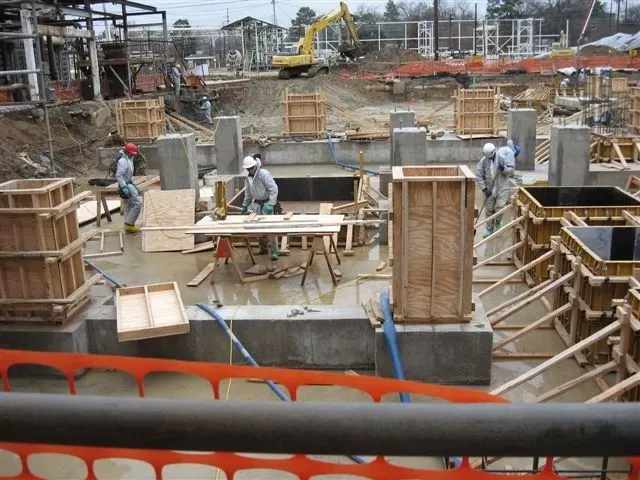
Concrete spalling around tabletops and cones
Erosion in side feed areas
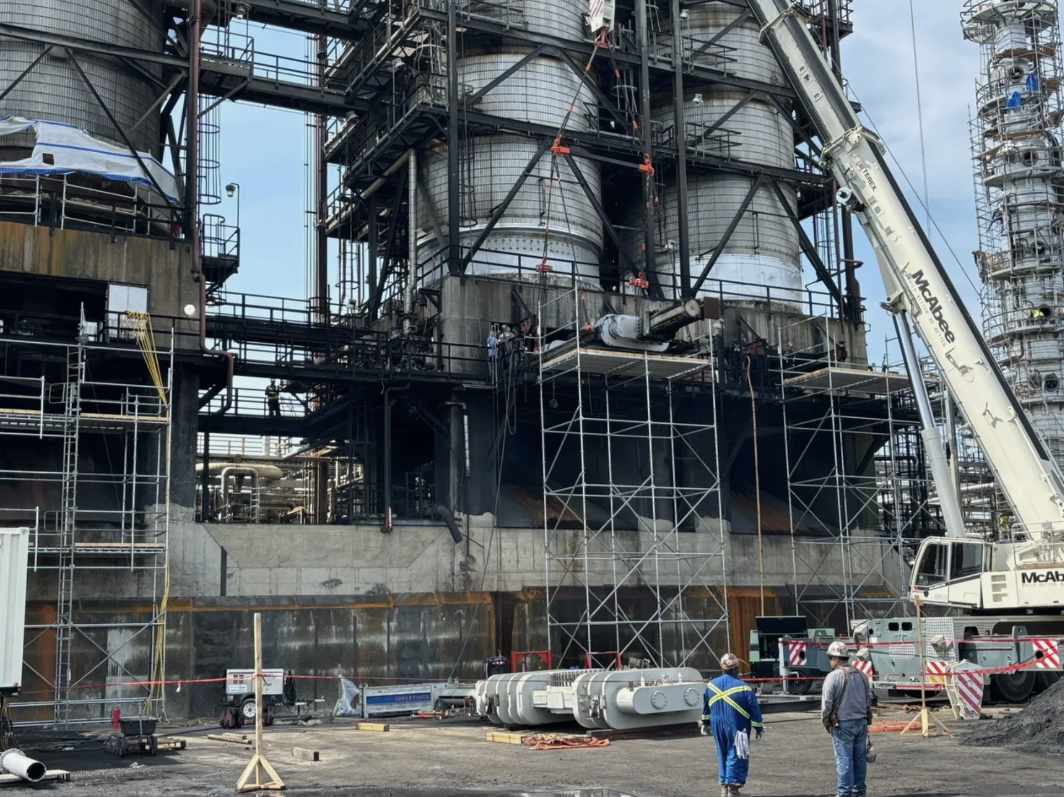
Crane logistics and headroom
Field Tip:
“Long-term heat exposure can degrade concrete. Early evaluation avoids expensive delays.” – Pablo Gonzalez
“Sometimes the coker pit bucket and crane itself create constraints. We have to plan around that in advance, using monorails or temporary structures to facilitate safe lifts.”
– Chad Beckemeyer
MAINTENANCE PLANNING / ON-SITE SERVICES
Key Insight: These are not everyday valve replacements. It is an extraordinary challenge to move an 80,000-lb valve, 30’ long, lifting it with a crane and maneuvering it into a structure with only inches of clearance.
Spare Equipment:
Maintaining spare valves onsite allows quick replacement during turnarounds, preventing critical-path delays.
“If you have space to remove the actuator and bonnets, you can replace seats and gates in situ. But bypassing shop NDE is risky. That’s why we often transport valves back to our facilities for full refurbishment.”
– Brian Liccioni
PRE-TURNAROUND PREPARATION
Planning Tip:
Constructability studies, early measurements, and coordination with refinery teams optimize pre-turnaround efficiency.
“Pre-turnaround planning is about reducing surprises. By preparing as much as possible ahead of the outage, we can focus on installation rather than troubleshooting once the turnaround begins.”
– Chad Beckemeyer
ENGINEERING AND CONSTRUCTION CONSIDERATIONS
Engineering:
Check drum surfaces, flange alignment, anchor placement, and welding requirements before installation.
“Before starting installation, it’s critical to check the runout. 80% of the time, you’ll find the drum is not flat. Skimming it in advance avoids problems during the weld and ensures proper sealing.”
– Pablo Gonzalez
TURNAROUND PLANNING ACROSS ENVIRONMENTS
Environmental Planning:
Account for local climate when scheduling turnarounds to ensure safety and efficiency.
“In high-wind locations, we may need larger cranes or alternative lifts. Cold weather can affect crews and materials.”
– Chad Beckemeyer
COST AND LOGISTICS
“Everything depends on site logistics, tonnage, and the distance drums must be moved. That’s why meticulous planning and experienced field execution are crucial to control costs and schedule.”
– Webinar Panel
Field Success Tip:
The right contractor brings decades of practical experience, proactive problem-solving, and seamless coordination between engineering, construction, and maintenance teams.
Working with an experienced team like TF ensures every stage of a turnaround is managed efficiently:
Early field evaluation of drums, cones, and concrete conditions
Detailed rigging and lift planning
Pre-turnaround preparation of modular components and foundations
Maintenance planning with spare equipment management
Flexible execution for unforeseen field conditions
“Early planning, hands-on evaluation, and proactive maintenance strategies can significantly reduce downtime and risk.”
– Webinar Panel
To apply these best practices at your facility, contact TF Companies for a tailored on-site presentation. Our field experts will guide you through pre-turnaround planning, installation logistics, and post-turnaround maintenance strategies.