



Brine ponds, often used in various industrial processes such as mining and wastewater treatment, require efficient evaporation systems to manage saline solutions. One effective method to enhance evaporation is the construction of splash pads. Splash pads increase the surface area for evaporation and are designed to withstand harsh conditions. This article outlines the construction process of splash pads for brine ponds, focusing on the civil and dirt work involved.
Overview of Splash Pads
Splash pads are specialized structures designed to maximize the surface area of brine ponds, promoting faster evaporation of water and leaving behind concentrated brine. They are typically constructed with durable materials that can withstand the corrosive nature of brine and the environmental conditions of the site.
Civil Work Involved
- Site Survey and Planning
– Topographical Survey: Conducting a detailed topographical survey to understand the site’s terrain and identify the optimal location for the splash pads.
– Design and Layout: Creating detailed design plans that include the layout of the splash pads, drainage systems, and access routes. The design should consider factors such as wind direction, sun exposure, and the volume of brine to be processed. - Earthworks and Excavation
– Clearing and Grubbing: Removing vegetation, debris, and topsoil to prepare the site for construction. This step ensures a clean, stable surface for subsequent work.
– Excavation: Excavating the area to the required depth, ensuring proper slope and grading for effective drainage and brine flow. - Foundation and Structural Work
– Compaction: Compacting the soil to provide a stable base for the splash pads. This involves using mechanical compactors to achieve the desired soil density
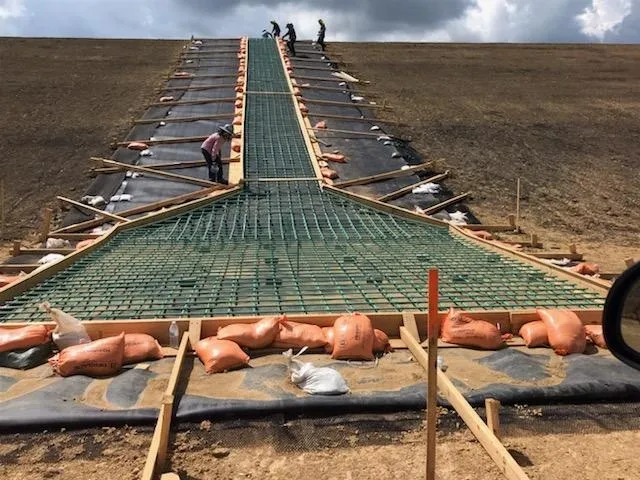
– Reinforcement: Laying down a geotextile membrane or reinforcing mesh to enhance the structural integrity of the foundation, preventing erosion and subsidence.
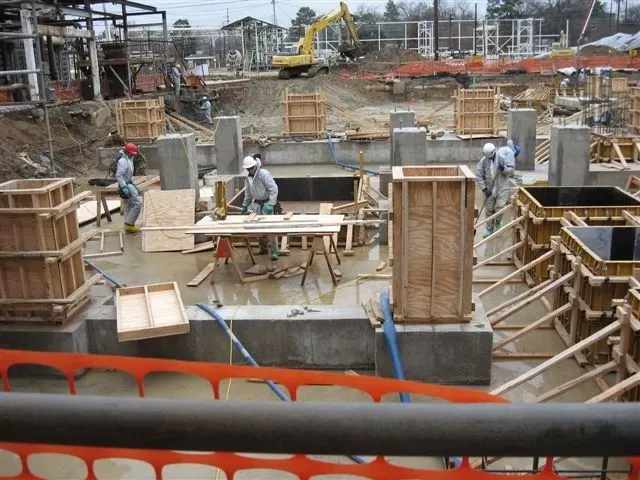
– Concrete Pours: Constructing concrete pads or bases, if required, to support the splash pads. This may involve pouring concrete into forms and allowing it to cure properly to achieve the necessary strength. - Installation of Splash Pad Structures
– Supporting Framework: Erecting the supporting framework for the splash pads, which may include posts, beams, and braces made of materials resistant to corrosion, such as coated steel or treated wood.
– Surface Material: Installing the surface material of the splash pads, which can be made from a variety of materials including plastic mesh, perforated metal sheets, or specially designed fabric. These materials should be chosen for their durability and ability to facilitate evaporation. - Drainage Systems
– Channel Construction: Building drainage channels around the splash pads to collect and direct excess brine back into the pond or towards a designated collection area.
– Drainage Pipes: Installing drainage pipes and culverts to manage water flow efficiently, preventing waterlogging and erosion around the splash pads.
Dirt Work Involved
- Grading and Leveling
– Grading: Performing rough grading to create a level base for the splash pads. This step involves moving large amounts of earth to achieve the desired contours and slopes.
– Fine Grading: Fine grading to refine the surface, ensuring smooth and even slopes that facilitate optimal brine flow and evaporation. - Soil Stabilization
– Compaction: Compacting the graded surface to improve soil stability and prevent settling. This may involve multiple passes with different types of compaction equipment.
– Soil Amendments: Adding soil amendments, such as lime or cement, to improve the load-bearing capacity and stability of the soil, especially in areas with poor soil conditions. - Erosion Control
– Silt Fences and Barriers: Installing silt fences, sediment barriers, and erosion control blankets to prevent soil erosion during and after construction.
– Vegetative Cover: Planting vegetation or applying hydroseeding to stabilize exposed soil and reduce erosion over the long term.
Environmental Considerations
- Minimizing Impact: Implementing measures to minimize the environmental impact of construction activities, such as controlling dust, managing runoff, and protecting nearby water bodies.
- Compliance with Regulations: Ensuring that all construction activities comply with local, state, and federal environmental regulations, including permits for earthmoving and water management.
Conclusion
The construction of splash pads for brine ponds involves extensive civil and dirt work, requiring careful planning and execution to ensure durability and efficiency. From site survey and excavation to the installation of drainage systems and erosion control measures, each step is crucial to the successful implementation of splash pads. By focusing on high-quality materials and construction techniques, operators can enhance the evaporation process, manage brine more effectively, and ensure the long-term functionality of their ponds.