



Data centers are the backbone of modern digital infrastructure, housing critical IT systems and data storage for businesses and institutions worldwide. The construction of a data center involves numerous electrical services to ensure reliability, efficiency, and security. This article explores the key electrical services required during the construction of a data center, emphasizing the importance of each service in creating a robust and scalable facility.
1. Power Supply and Distribution
Reliable Power Sources
- Utility Connections: Establishing connections to the local power grid with redundant utility feeds to ensure continuous power supply.
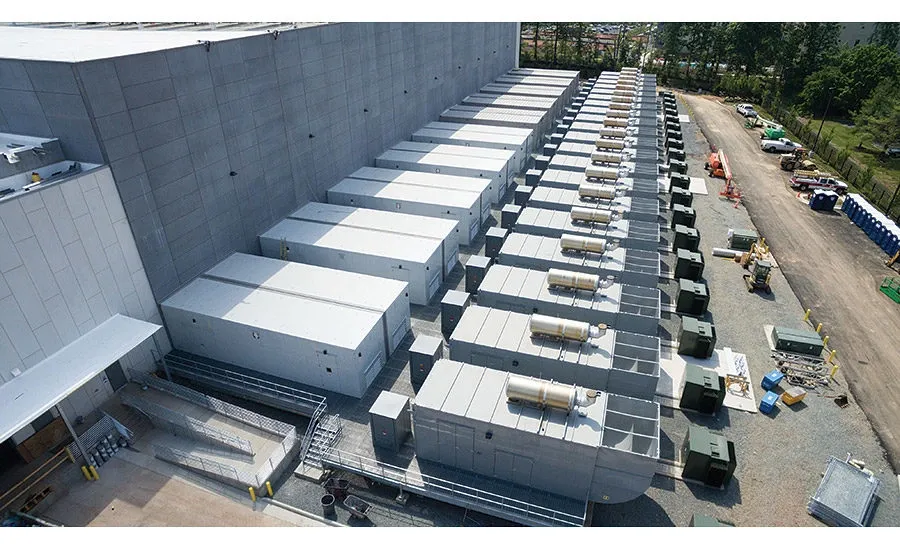
- Backup Generators: Installing diesel or natural gas generators to provide emergency power during utility outages. These generators are typically configured in N+1 or 2N redundancy to ensure reliability.
Power Distribution Infrastructure
- Switchgear and Switchboards: High-capacity switchgear to manage the distribution of power throughout the data center, equipped with protective relays and circuit breakers.
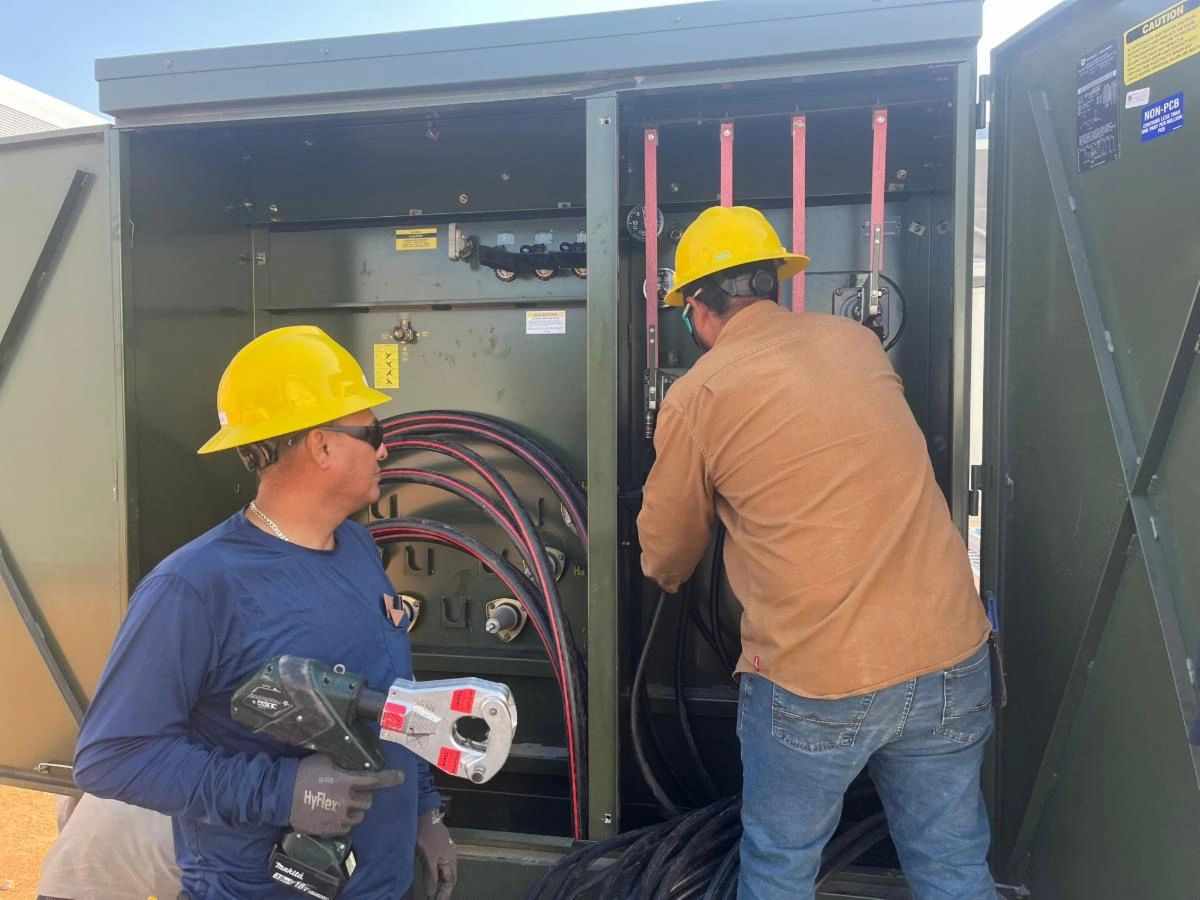
- Transformers: Step-down transformers to convert high-voltage utility power to lower voltages suitable for data center equipment.
2. Uninterruptible Power Supply (UPS) Systems
Continuous Power Supply
- UPS Systems: Deploying UPS systems to provide short-term power during an outage until backup generators start. These systems also protect against power surges and fluctuations.
- Battery Banks: Configuring battery banks or flywheel systems to store energy for the UPS, ensuring a seamless transition during power disturbances.
3. Electrical Distribution Units (EDUs) and Power Distribution Units (PDUs)
Efficient Power Management
- EDUs: Centralized electrical distribution units that manage and distribute power from the main electrical infrastructure to PDUs.
- PDUs: Power distribution units located within server racks to distribute power to individual servers and network devices. Intelligent PDUs offer monitoring and remote management capabilities.
4. Grounding and Bonding
Safety and Stability
- Grounding Systems: Implementing robust grounding systems to protect equipment and personnel from electrical faults and lightning strikes.
- Bonding: Ensuring all metallic parts of the electrical system are properly bonded to prevent potential differences that could cause electrical shock or equipment damage.
5. Electrical Cabling and Conduits
Structured Cabling Infrastructure
- High-Quality Cabling: Using high-quality electrical cables, including copper and fiber optic cables, to ensure reliable power and data transmission.
- Cable Management: Installing cable trays, conduits, and pathways to organize and protect cables, reducing the risk of damage and simplifying maintenance.
6. Lighting Systems
Energy-Efficient Lighting
- LED Lighting: Utilizing LED lighting for energy efficiency and longevity, reducing operational costs.
- Emergency Lighting: Installing emergency lighting systems to ensure safe egress in case of power failure or emergency situations.
7. Fire Detection and Suppression Systems
Protecting Critical Infrastructure
- Fire Detection: Deploying advanced fire detection systems, such as smoke detectors and VESDA (Very Early Smoke Detection Apparatus), to detect fires at the earliest possible stage.
- Fire Suppression: Installing fire suppression systems, including gas-based (e.g., FM-200, NOVEC 1230) or water mist systems, designed to extinguish fires without damaging sensitive electronic equipment.
8. Monitoring and Control Systems
Real-Time Management
- Building Management System (BMS): Integrating a BMS to monitor and control electrical systems, environmental conditions, and security.
- Energy Management Systems (EMS): Using EMS to track energy usage and optimize power consumption, improving efficiency and reducing costs.
9. Security Systems
Ensuring Physical Security
- Access Control: Implementing access control systems, including biometric readers and smart card access, to restrict entry to authorized personnel.
- Surveillance: Installing CCTV cameras and monitoring systems to oversee and record activities within the data center.
Conclusion
The construction of a data center involves a comprehensive array of electrical services, each critical to ensuring the facility’s reliability, efficiency, and security. From power supply and UPS systems to grounding, cabling, and advanced monitoring, every aspect must be meticulously planned and executed. High-quality electrical services are fundamental to building a data center that can support the demands of modern digital infrastructure, providing a stable and secure environment for critical IT operations. By prioritizing these services, data center operators can achieve optimal performance, minimize downtime, and ensure the seamless operation of their facilities.