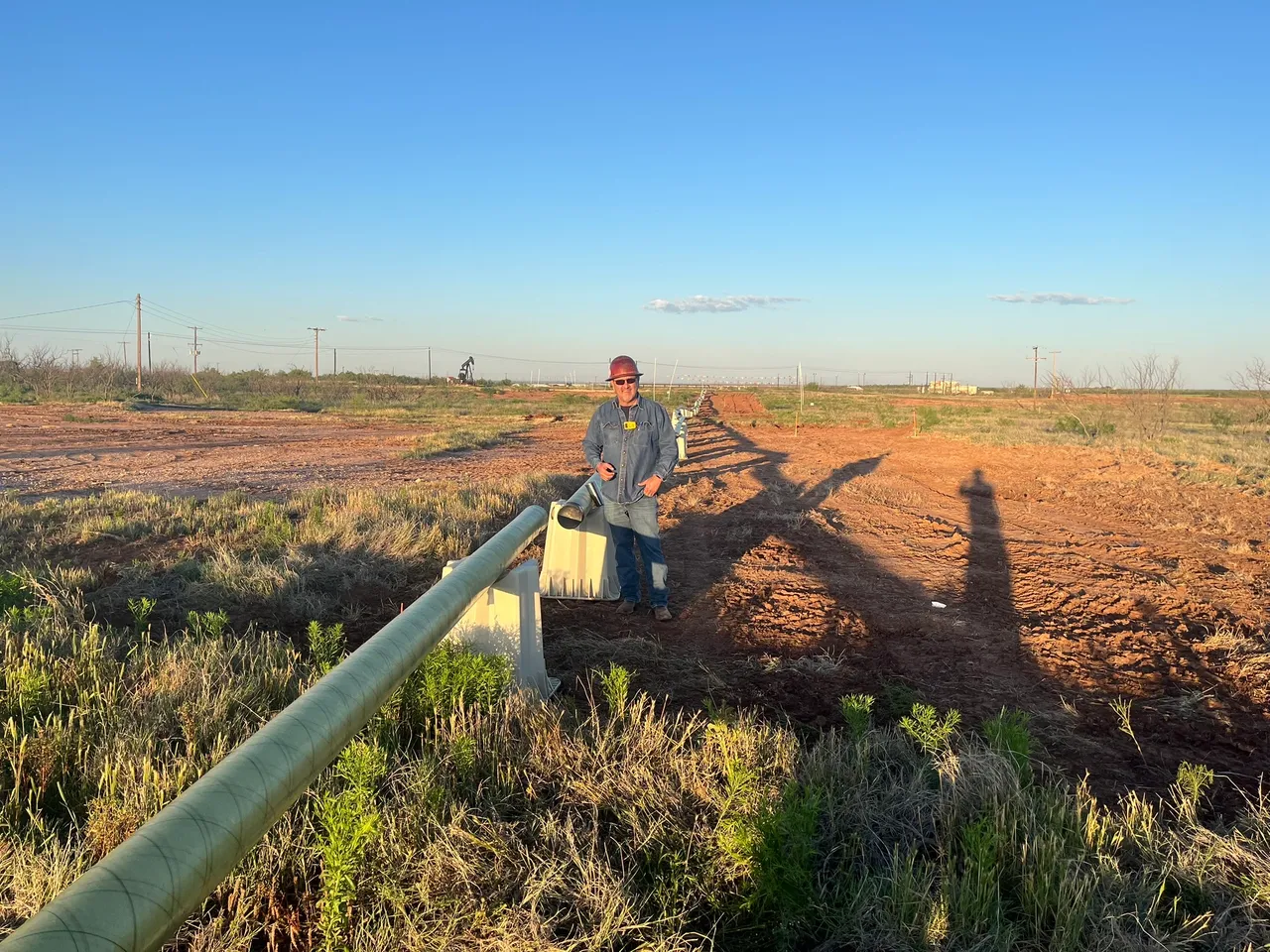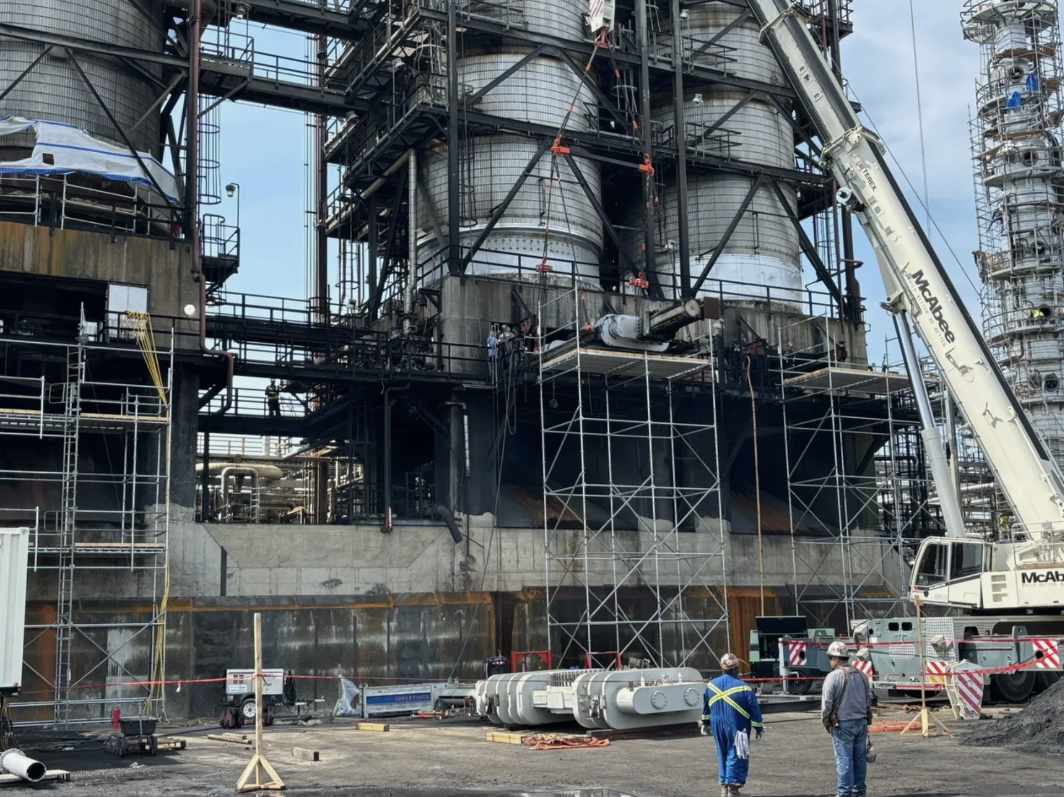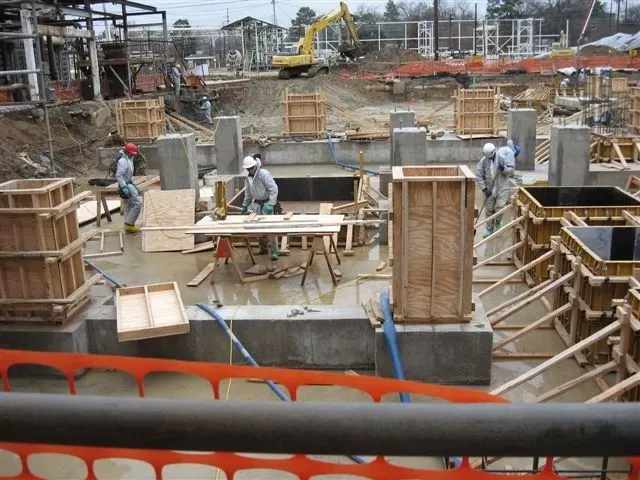




In the oil and gas industry, efficient and reliable transport of oil, especially in remote areas, is crucial for operational success. Traditional pipelines made from steel or other metals face challenges such as corrosion and high maintenance costs. Fiberglass pipelines offer a viable alternative, providing durability, corrosion resistance, and ease of installation. This article outlines the process of installing fiberglass pipelines for oil transport in remote areas, highlighting the advantages and best practices.
Advantages of Fiberglass Pipelines
- Corrosion Resistance: Fiberglass is inherently resistant to corrosion, making it ideal for transporting oil in environments where metal pipelines would deteriorate.
- Lightweight: Fiberglass pipelines are significantly lighter than their metal counterparts, simplifying transportation and installation, especially in remote areas.
- Ease of Installation: The flexibility and modular nature of fiberglass pipelines facilitate quicker and easier installation.
- Low Maintenance: Due to their resistance to corrosion and chemical reactions, fiberglass pipelines require less frequent maintenance and repairs.
Pre-Installation Planning
- Site Survey and Analysis
– Conduct a detailed site survey to understand the topography, soil conditions, and environmental factors.
– Analyze potential hazards such as landslides, flooding, or extreme weather conditions that could impact the pipeline’s integrity. - Design and Engineering
– Develop a comprehensive pipeline design that considers the terrain, pipeline length, and operational pressures.
– Ensure the design complies with industry standards and regulations for safety and environmental protection. - Logistics and Material Procurement
– Plan the logistics for transporting fiberglass pipeline sections, fittings, and other materials to the remote site.
– Procure high-quality fiberglass pipes and associated components from reputable manufacturers.
Installation Process
- Site Preparation
– Clearing and Grubbing: Clear vegetation and debris from the pipeline route to create a stable working area.
– Grading and Excavation: Grade the site and excavate trenches to the required depth, ensuring proper alignment and slope for the pipeline. - Pipeline Assembly
– Pipe Laying: Position the fiberglass pipes along the trench, aligning them according to the design specifications.
– Jointing Methods: Use appropriate jointing methods such as adhesive bonding, mechanical joints, or butt-and-wrap joints to connect the pipeline sections. Ensure joints are sealed correctly to prevent leaks.
– Support Structures: Install supports, saddles, or anchors as needed to stabilize the pipeline and accommodate thermal expansion and contraction. - Pressure Testing and Inspection
– Hydrostatic Testing: Perform hydrostatic testing by filling the pipeline with water and pressurizing it to check for leaks and verify the integrity of joints and fittings.
– Inspection: Conduct thorough inspections using visual checks and non-destructive testing methods to ensure the pipeline meets all safety and quality standards. - Backfilling and Restoration
– Backfilling: Carefully backfill the trenches with suitable soil or gravel, compacting it in layers to provide stability and protection to the pipeline.
– Surface Restoration: Restore the surface to its original condition, including replanting vegetation or applying erosion control measures as needed.
Environmental and Safety Considerations
- Environmental Protection
– Implement measures to minimize the environmental impact during installation, such as controlling erosion, protecting water sources, and managing waste.
– Ensure compliance with environmental regulations and obtain necessary permits for construction activities in sensitive areas. - Safety Protocols
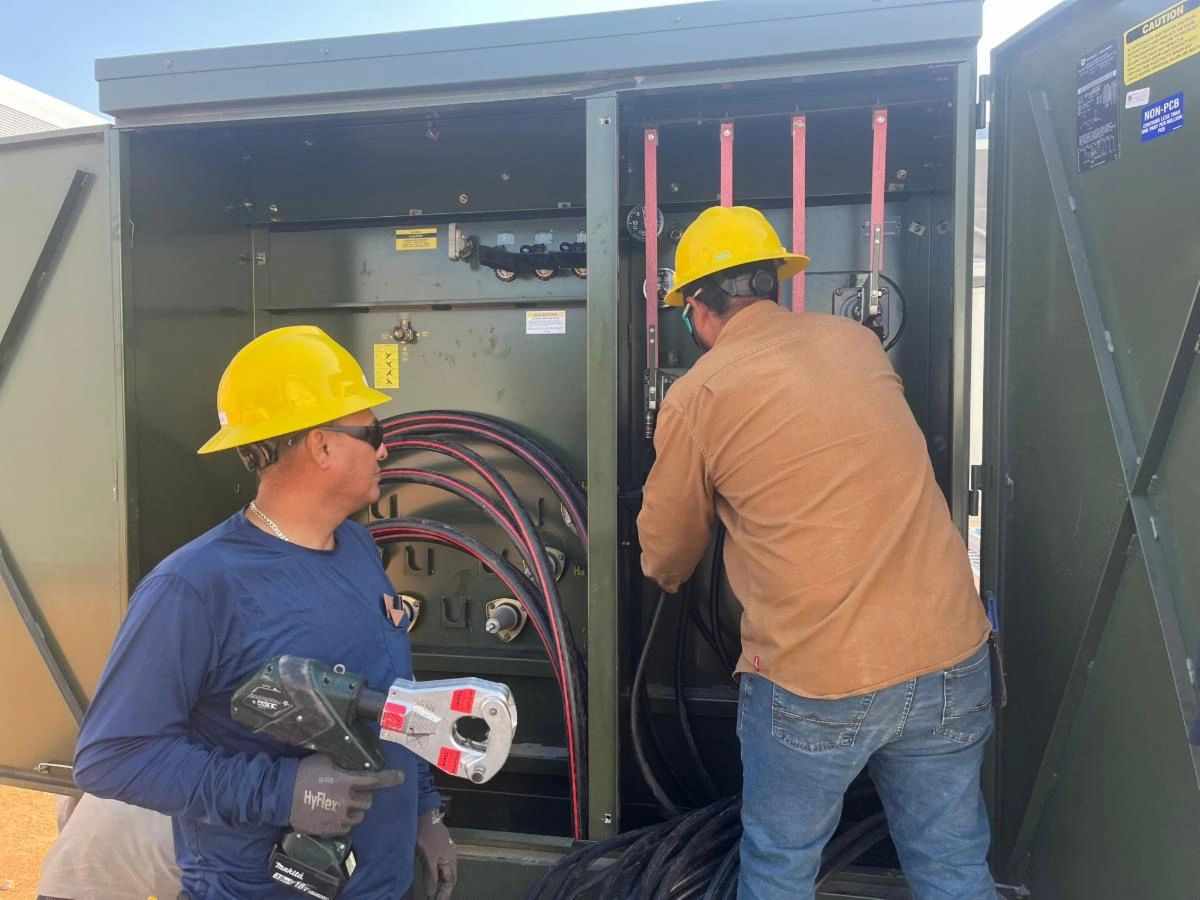
– Adhere to stringent safety protocols to protect workers, including the use of personal protective equipment (PPE) and adherence to safe work practices.
– Provide training on handling and installing fiberglass pipelines, emphasizing the importance of joint integrity and pressure testing.
Post-Installation Maintenance
- Regular Inspections
– Schedule regular inspections to monitor the condition of the pipeline, checking for signs of wear, damage, or potential leaks.
– Use advanced monitoring technologies such as fiber optic sensors or drone inspections to enhance the accuracy and efficiency of inspections. - Preventive Maintenance
– Implement a preventive maintenance program to address any issues before they escalate, ensuring the long-term reliability of the pipeline.
– Maintain detailed records of inspections, repairs, and maintenance activities to track the pipeline’s performance and identify trends.
Conclusion
Installing fiberglass pipelines for oil transport in remote areas offers significant advantages in terms of durability, corrosion resistance, and ease of installation. Proper planning, adherence to best practices, and a focus on environmental and safety considerations are crucial for successful installation and long-term operation. By leveraging the benefits of fiberglass pipelines, the oil and gas industry can enhance efficiency, reduce maintenance costs, and ensure reliable transport in challenging environments.