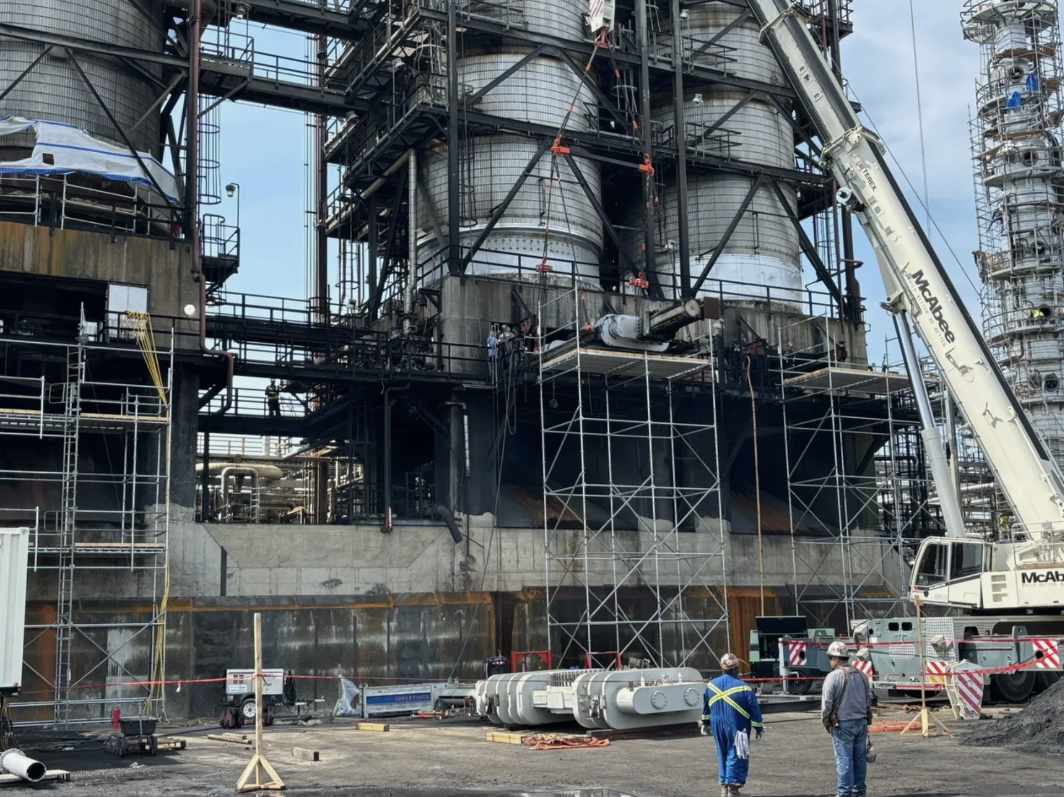




Process columns are integral components in various industries, particularly in the chemical, petrochemical, and oil and gas sectors. They are used for distillation, absorption, stripping, and other mass transfer operations. Trays are one of the most common internal components in these columns, playing a crucial role in enhancing contact between the vapor and liquid phases. Proper installation of these trays is essential for the efficiency and reliability of the column. This article explores the procedures and best practices for installing process column trays.
Overview of Column Trays
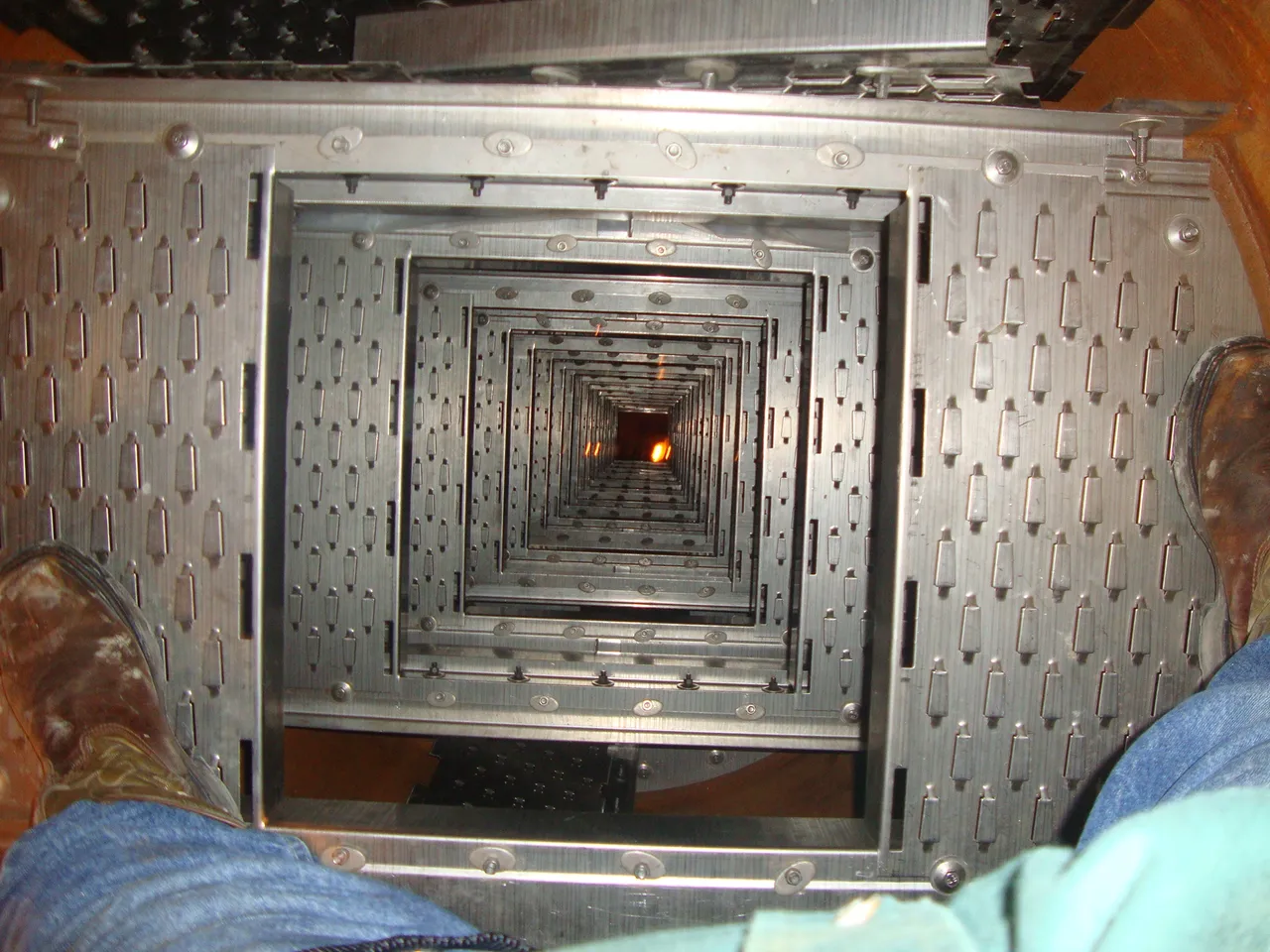
Column trays are devices that facilitate the interaction between the liquid and vapor phases within the column, thereby improving mass transfer. There are several types of trays, including sieve trays, bubble cap trays, and valve trays, each suited to specific applications based on factors such as operating conditions, desired separation efficiency, and column design.
Preparation for Installation
- Pre-Installation Planning:
– Design Review: Ensure that the tray design matches the process requirements and column specifications. This includes verifying dimensions, materials, and the number of trays.
– Equipment Check: Confirm that all tools and equipment required for the installation are available and in good working condition. - Column Preparation:
– Cleaning: Thoroughly clean the interior of the column to remove any debris, corrosion, or previous material that could impede installation.
– Inspection: Conduct a detailed inspection of the column shell for any damage or imperfections that might affect the tray installation. - Safety Measures:
– Hazard Assessment: Identify potential hazards and implement safety measures such as lockout/tagout procedures, appropriate personal protective equipment (PPE), and emergency protocols.
– Training: Ensure that all personnel involved in the installation are trained and aware of the safety procedures.
Installation Procedures
- Entry and Setup:
– Access: Secure safe access to the column interior, which may involve scaffolding or specialized entry equipment for confined spaces.
– Lighting and Ventilation: Ensure adequate lighting and ventilation inside the column to facilitate the installation process. - Tray Support Installation:
– Support Rings: Install tray support rings or beams at the predetermined levels within the column. These must be level and securely fastened to the column wall.
– Verification: Use leveling instruments to verify that the support structures are correctly positioned. - Tray Assembly:
– Positioning: Carefully position each tray onto the support structures. Trays should be installed from the bottom of the column upwards.
– Alignment: Ensure that each tray is level and properly aligned. Misalignment can significantly affect the performance of the column.
– Fastening: Secure the trays using the designated fastening methods, such as bolting or welding, depending on the tray design and column specifications. - Tray Connections:
– Downcomers and Seals: Install downcomers and ensure that all seals are correctly placed to prevent liquid and vapor leaks.
– Accessories: Attach any additional tray accessories, such as inlet weirs, outlet weirs, and anti-jump baffles, according to the design specifications.
Post-Installation Activities
- Inspection and Testing:
– Visual Inspection: Conduct a thorough visual inspection of the installed trays to ensure that they are correctly positioned and securely fastened.
– Leak Testing: Perform leak testing to check for any potential leaks at the tray connections or downcomers. - Documentation:
– Installation Records: Maintain detailed records of the installation process, including any deviations from the original plan and the measures taken to address them.
– Inspection Reports: Document the results of the post-installation inspection and testing, noting any issues and their resolutions. - Commissioning:
– System Check: Once the trays are installed and inspected, conduct a comprehensive system check to ensure that all components function as intended.
– Operational Readiness: Prepare the column for startup, following the specific commissioning procedures for the process being conducted.
Best Practices for Tray Installation
- Precision and Care: Handle all tray components with care to avoid damage and ensure precision during installation.
- Quality Control: Implement rigorous quality control measures at every stage of the installation to maintain high standards of workmanship.
- Continuous Improvement: Learn from each installation project and apply lessons learned to improve future processes and procedures.
Conclusion
The installation of process column trays is a meticulous and critical operation that significantly impacts the efficiency and performance of mass transfer processes. By following detailed procedures and best practices, ensuring proper planning, and prioritizing safety, industries can achieve optimal operation of their process columns. Properly installed trays not only enhance process efficiency but also contribute to the overall reliability and longevity of the equipment.