



An ammonia converter is a crucial component in a fertilizer plant, playing a significant role in the synthesis of ammonia, which is a vital ingredient in the production of various fertilizers. Ensuring the efficient operation and maintenance of the ammonia converter is essential for the plant’s productivity and safety. This article outlines the service and repair procedures for an ammonia converter, highlighting best practices, common issues, and safety considerations.
Overview of the Ammonia Converter
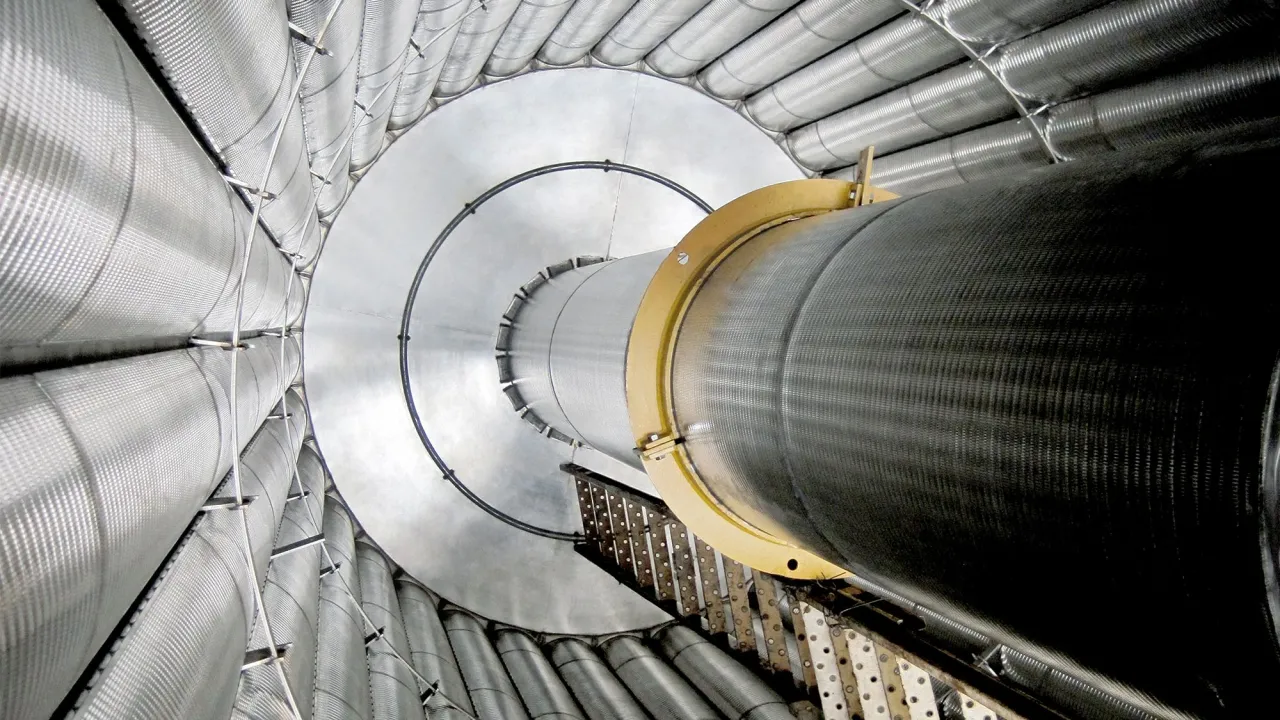
The ammonia converter, also known as the ammonia synthesis reactor, is where nitrogen and hydrogen gases react under high pressure and temperature in the presence of a catalyst to produce ammonia. The typical operating conditions involve temperatures ranging from 400 to 500 degrees Celsius and pressures of around 150-250 atmospheres.
Common Issues with Ammonia Converters
- Catalyst Deactivation: Over time, the catalyst used in the converter can lose its effectiveness due to poisoning, sintering, or fouling.
- Pressure Drops: Blockages or fouling can lead to increased pressure drops across the converter, affecting efficiency.
- Leakages: High-pressure systems are prone to leakages, which can pose significant safety risks.
- Corrosion and Wear: The harsh operating conditions can lead to corrosion and mechanical wear of the converter’s components.
Service and Maintenance Procedures
- Regular Inspections: Routine inspections are critical to identify potential issues before they escalate. Inspect the catalyst bed, internal linings, and pressure vessels for signs of wear, corrosion, and deposits.
- Catalyst Replacement: Depending on the catalyst’s lifespan and condition, periodic replacement may be necessary. This involves:
– Shutdown: Safely shutting down the converter and depressurizing the system.
– Removal: Carefully removing the spent catalyst.
– Inspection and Cleaning: Inspecting and cleaning the catalyst chamber and associated components.
– Installation: Installing new catalyst material, ensuring even distribution and proper packing to avoid channeling and hot spots. - Pressure Vessel Maintenance: The pressure vessel should be inspected for structural integrity, including checking for cracks, deformities, and corrosion. Non-destructive testing methods such as ultrasonic testing, radiography, and magnetic particle inspection are often employed.
- Sealing and Leak Detection: Ensuring all seals and gaskets are intact and functioning correctly is vital. Conduct regular leak tests using methods such as helium leak detection or ammonia sensors to identify and address any leakages promptly.
- Thermal Insulation: Inspect the thermal insulation around the converter. Damaged or degraded insulation should be replaced to maintain energy efficiency and protect personnel from high surface temperatures.
- Instrumentation Calibration: Regular calibration of pressure, temperature, and flow sensors ensures accurate monitoring and control of the conversion process.
Repair Procedures
- Emergency Shutdown and Safety Protocols: In the event of a major fault or failure, initiate an emergency shutdown following the plant’s safety protocols to prevent accidents and ensure the safety of personnel.
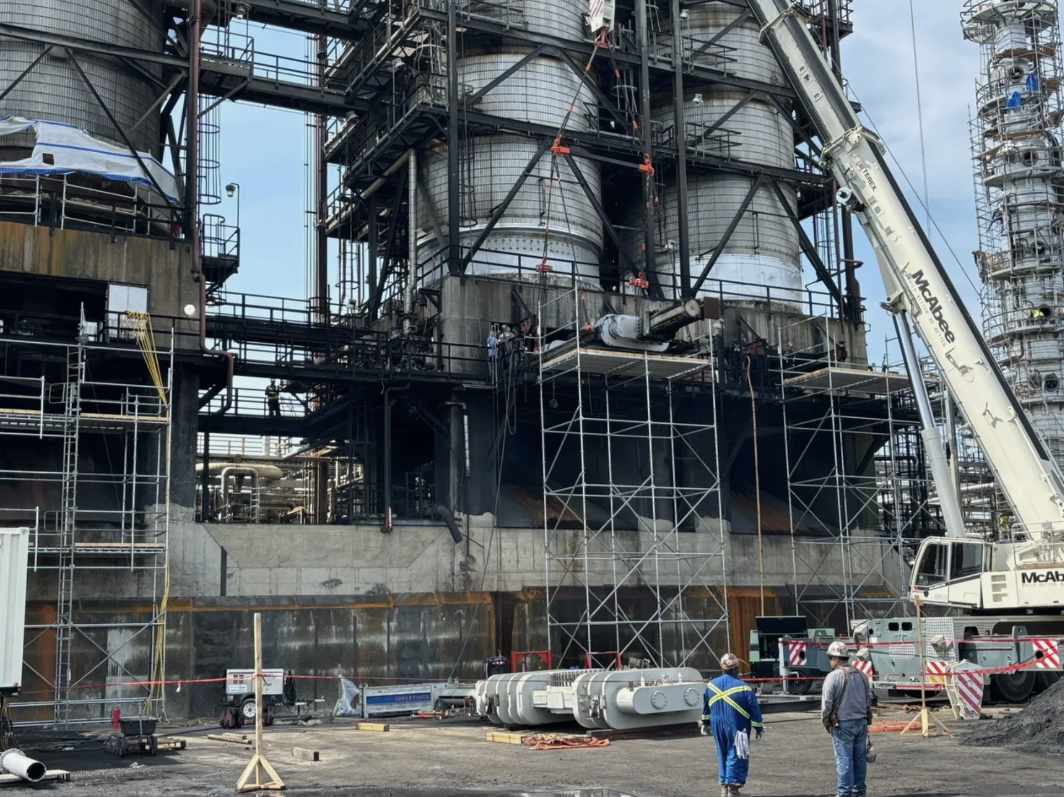
- Component Repair and Replacement: Based on the findings during inspections, repair or replace damaged components such as pressure vessels, heat exchangers, and piping. Ensure that replacement parts meet the original specifications and standards.
- Welding and Fabrication: Repairs often involve welding and fabrication. Use appropriate welding techniques and materials to maintain the structural integrity and pressure containment capability of the converter.
- Post-Repair Testing: After completing repairs, conduct thorough testing, including pressure testing, leak testing, and functional testing of the converter to ensure it operates correctly and safely.
Safety Considerations
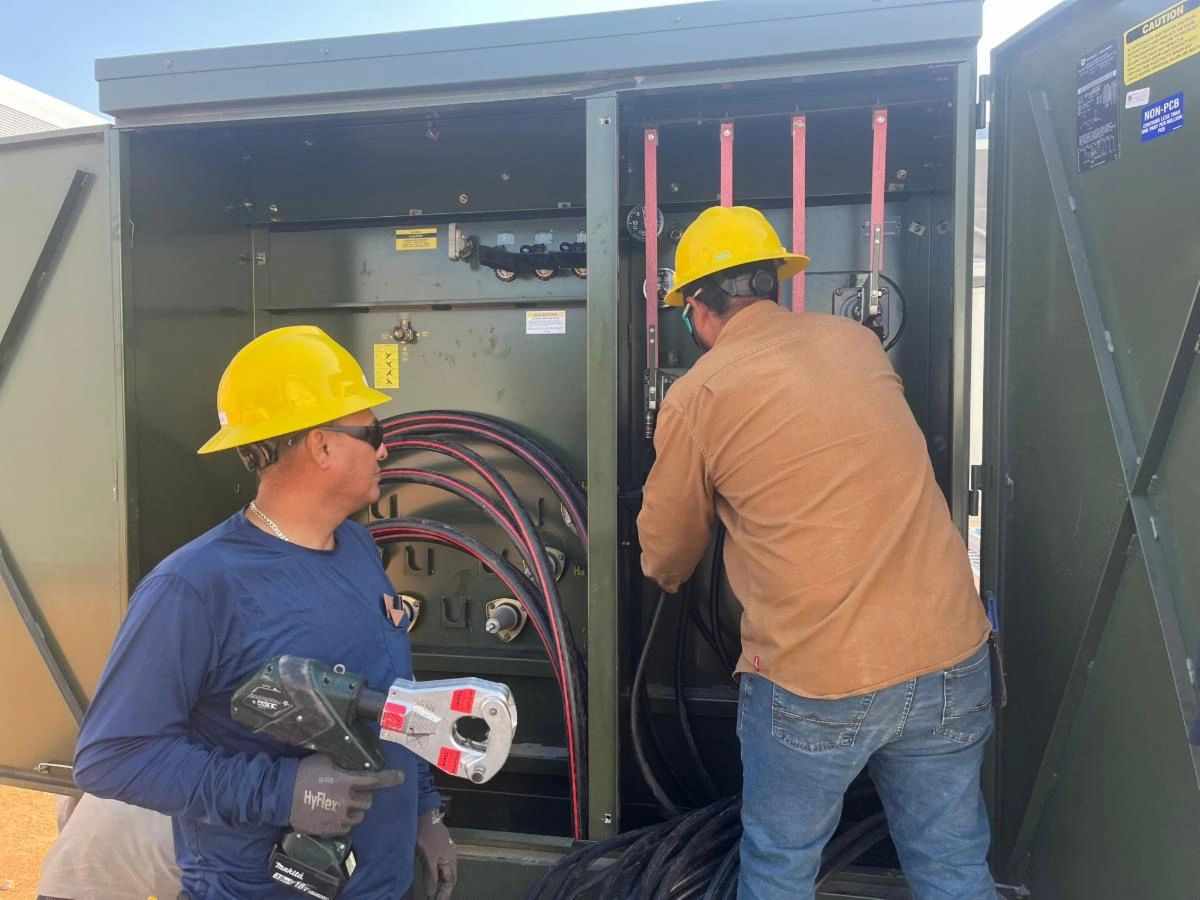
- Personal Protective Equipment (PPE): Ensure all personnel involved in the service and repair operations wear appropriate PPE, including safety goggles, gloves, and protective clothing.
- Hazardous Material Handling: Handle catalysts and other chemicals with care, following the Material Safety Data Sheets (MSDS) and plant safety protocols.
- Hot Work Permits: Obtain necessary permits for hot work (welding, cutting) and ensure fire safety measures are in place.
- Emergency Preparedness: Have emergency response plans in place, including evacuation routes, first aid facilities, and communication protocols.
Conclusion
Regular service and timely repairs of the ammonia converter are vital for the continuous and safe operation of a fertilizer plant. By following best practices in maintenance and repair, plant operators can ensure high efficiency, minimize downtime, and enhance the overall safety of the facility. Proper training and adherence to safety protocols are imperative to successfully managing the complexities associated with the ammonia conversion process.