



Amine contactors play a crucial role in the gas processing industry, particularly in the removal of acid gases such as carbon dioxide (CO₂) and hydrogen sulfide (H₂S) from natural gas. This process, known as gas sweetening, ensures that natural gas meets quality specifications for safe transport and use. Proper service and repair of amine contactors are essential to maintain operational efficiency, safety, and compliance with environmental regulations.
What Are Amine Contactors?
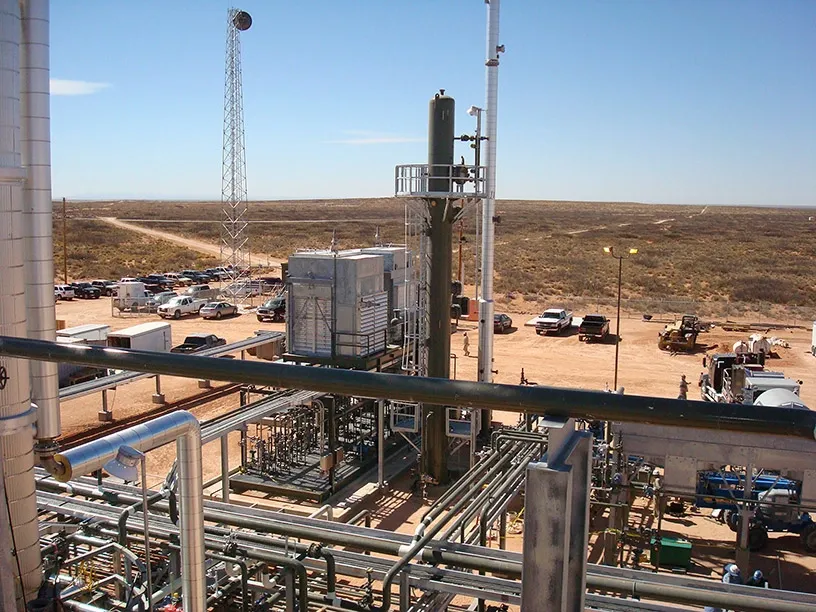
Amine contactors are specialized vessels where the absorption process takes place. They typically consist of a tall, cylindrical column packed with structured packing or trays that maximize contact between the amine solution and the gas stream. The most commonly used amines in these systems are monoethanolamine (MEA), diethanolamine (DEA), and methyldiethanolamine (MDEA), each selected based on specific operational needs and gas compositions.
How Amine Contactors Work
The gas sweetening process involves the following steps:
- Gas Entry: The sour gas enters the bottom of the contactor.
- Amine Introduction: The amine solution is introduced at the top and flows counter-currently to the gas.
- Absorption: Acid gases are absorbed by the amine solution as the gas rises through the contactor.
- Sweet Gas Exit: The treated (sweet) gas exits from the top of the contactor.
- Rich Amine: The amine, now rich with absorbed acid gases, exits the bottom of the contactor and is sent to a regenerator for processing.
Importance of Regular Service and Maintenance
Regular maintenance and timely repairs of amine contactors are vital for several reasons:
- Efficiency: To ensure the maximum removal of acid gases, maintaining the internal packing or trays in good condition is essential.
- Safety: Proper function of safety valves and pressure relief systems prevents hazardous situations.
- Cost-effectiveness: Early detection of wear and tear can prevent costly shutdowns and extensive repairs.
- Environmental Compliance: Efficient operation reduces emissions of harmful gases, ensuring compliance with environmental regulations.
Common Service and Repair Activities
- Inspection: Regular visual and instrument inspections to detect corrosion, scaling, and mechanical damage.
- Cleaning: Removal of deposits and scaling from internal surfaces and packing materials to maintain efficient gas-amine contact.
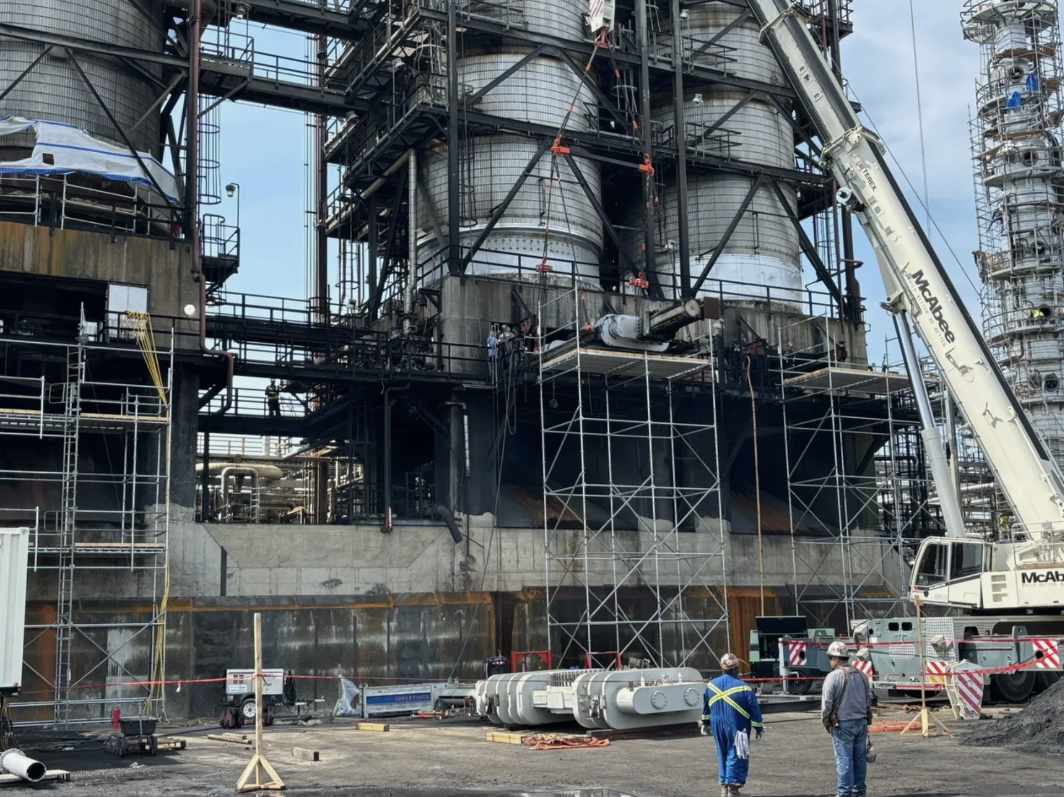
- Replacement of Packing/Trays: Periodic replacement of structured packing or trays that are worn or damaged to maintain optimal performance.
- Amine Solution Management: Regular analysis and reclamation of the amine solution to remove degradation products and contaminants.
- Valve and Seal Maintenance: Inspection and replacement of valves, gaskets, and seals to prevent leaks and ensure reliable operation.
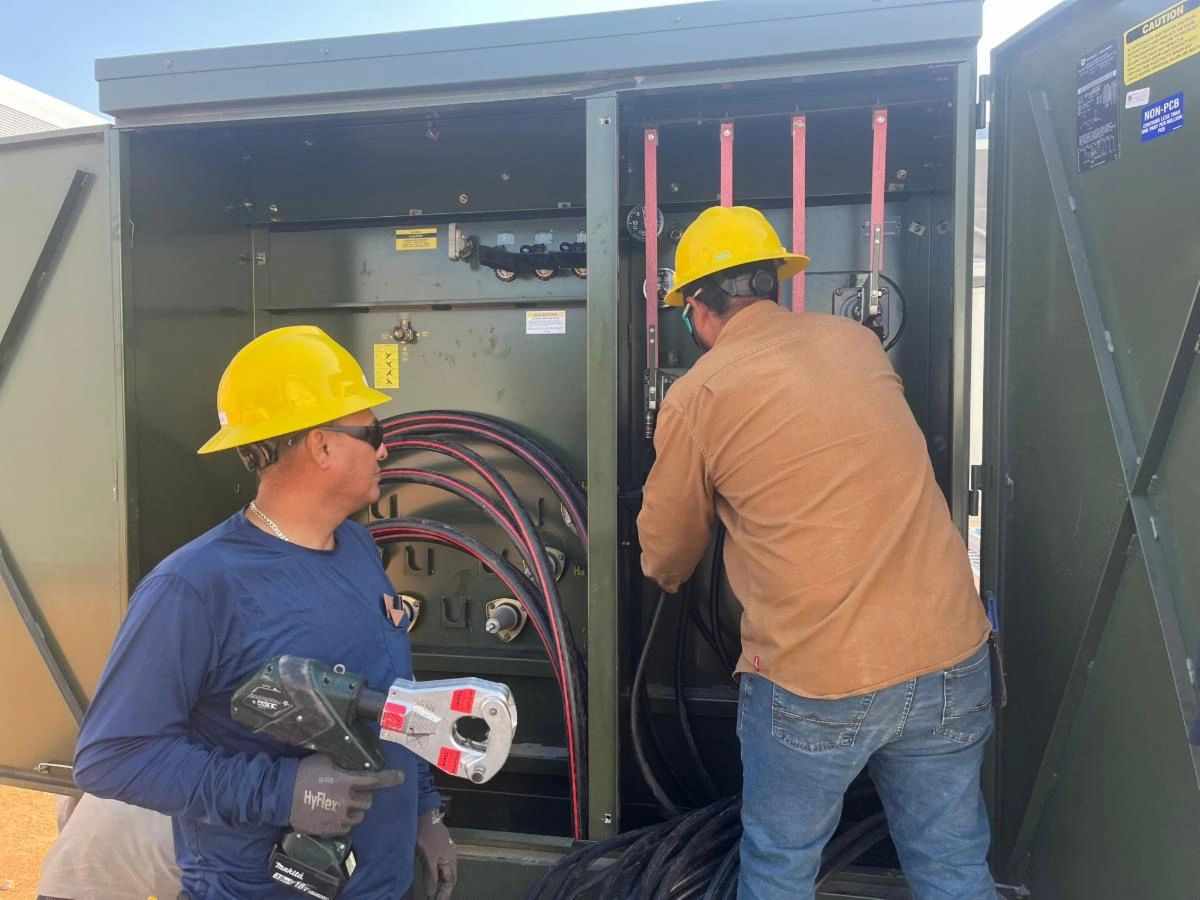
- Instrumentation Calibration: Ensuring that all sensors, flow meters, and control instruments are correctly calibrated for accurate monitoring and control.
Advanced Techniques in Maintenance
- Non-Destructive Testing (NDT): Techniques like ultrasonic testing, radiography, and magnetic particle inspection help in identifying sub-surface defects without causing damage to the equipment.
- Predictive Maintenance: Using data analytics and condition monitoring systems to predict failures and schedule maintenance proactively.
- Chemical Cleaning: Advanced chemical solutions and processes that remove stubborn deposits without harming the equipment.
Conclusion
Amine contactors are indispensable in the gas processing industry, ensuring that natural gas meets required purity standards. Regular service and repair are not just routine activities but are critical to maintaining efficiency, safety, and regulatory compliance. By adopting advanced maintenance techniques and staying vigilant about the condition of amine contactors, operators can ensure the longevity and reliability of their gas sweetening operations.