



High-Density Polyethylene (HDPE) pipes are widely used in various industries, including water supply, gas distribution, sewage, and industrial applications, due to their flexibility, durability, and resistance to corrosion and chemicals. A critical aspect of installing HDPE piping systems is ensuring strong, leak-proof joints. This article explores the welding techniques, procedures, and best practices for HDPE pipe welding.
Overview of HDPE Pipe Welding
HDPE pipe welding involves joining sections of pipe using heat and pressure to create a continuous, homogeneous connection. The primary welding techniques for HDPE pipes include butt fusion, electrofusion, and socket fusion. Each method has its specific applications, advantages, and procedural requirements.
Welding Techniques for HDPE Pipes
- Butt Fusion Welding
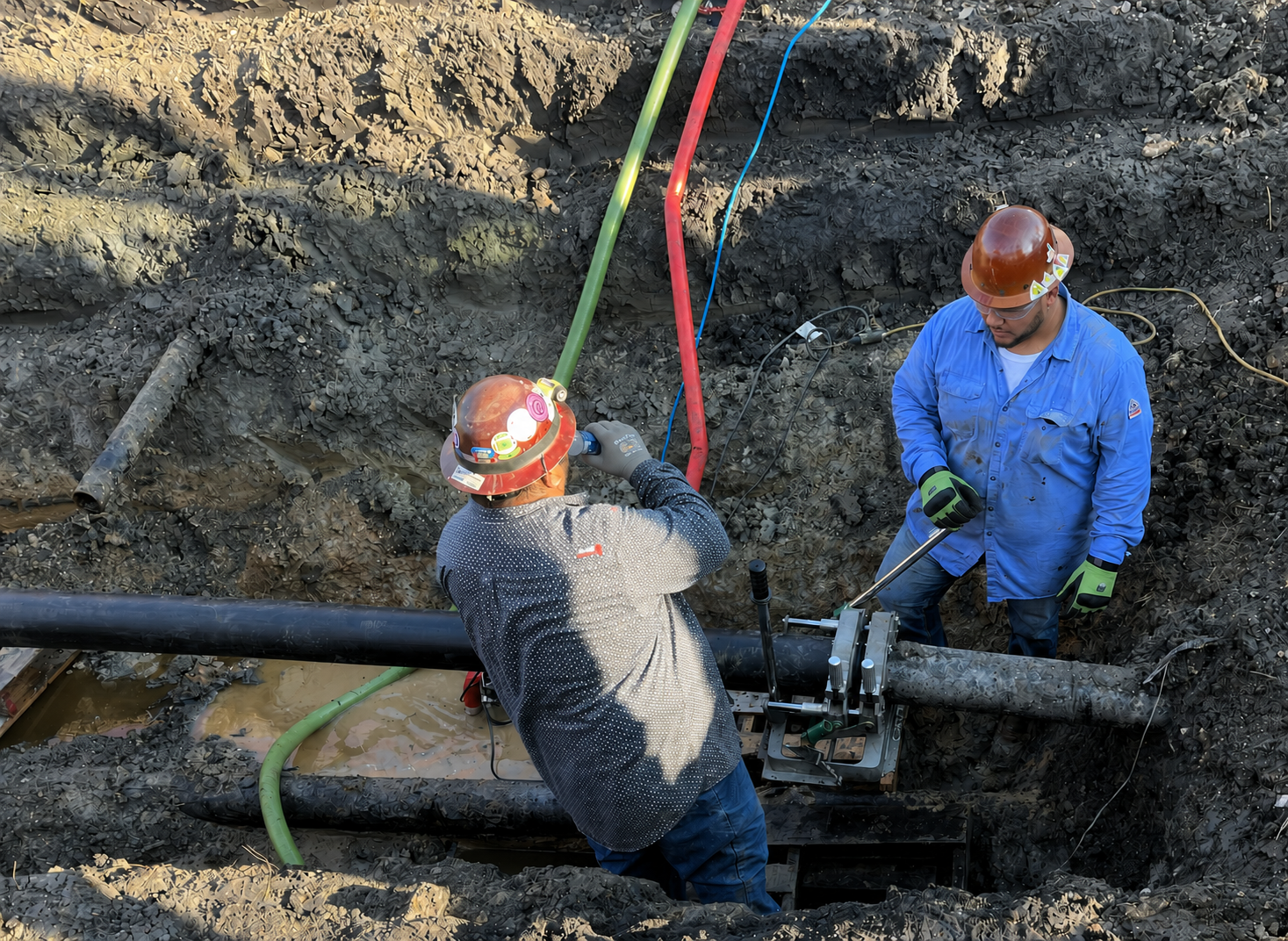
Description: Butt fusion welding is the most common method for joining HDPE pipes. It involves heating the ends of two pipe sections and then pressing them together to form a single, continuous pipe.
Procedure:
- Preparation: Clean the pipe ends to remove dirt, grease, and contaminants. Ensure the pipes are properly aligned.
- Heating: Use a butt fusion machine with heated plates to simultaneously heat the pipe ends until they reach the required fusion temperature (typically around 220-240°C).
- Joining: Press the heated pipe ends together with controlled pressure, allowing them to fuse and form a strong joint.
- Cooling: Maintain the joint under pressure and allow it to cool naturally to solidify the weld.
Applications: Suitable for large-diameter pipes and long, straight runs.
- Electrofusion Welding
Description: Electrofusion welding involves using special fittings with embedded electrical heating elements. The heat generated by the electrical current melts the pipe and fitting surfaces, creating a joint.
Procedure:
- Preparation: Clean the pipe ends and the inner surface of the electrofusion fitting. Mark the pipe to ensure proper insertion depth.
- Assembly: Insert the pipe ends into the electrofusion fitting, ensuring proper alignment.
- Fusion: Connect the fitting to an electrofusion control unit, which applies electrical current to the heating elements. The generated heat melts the pipe and fitting surfaces, forming a joint.
- Cooling: Allow the joint to cool under pressure, ensuring a solid, leak-proof connection.
Applications: Ideal for repairs, tie-ins, and areas with limited access or space constraints.
- Socket Fusion Welding
Description: Socket fusion welding involves heating the external surface of the pipe and the internal surface of a socket fitting. The two are then pressed together to form a joint.
Procedure:
- Preparation: Clean the pipe end and the socket fitting. Mark the insertion depth on the pipe.
- Heating: Use a socket fusion tool to heat the pipe end and fitting simultaneously until they reach the fusion temperature.
- Joining: Quickly insert the heated pipe end into the socket fitting and hold it in place to form a joint.
- Cooling: Allow the joint to cool under pressure, ensuring a strong bond.
Applications: Suitable for smaller-diameter pipes and fittings, such as those used in residential plumbing systems.
Best Practices for HDPE Pipe Welding
- Proper Preparation
– Ensure the pipe ends are clean, dry, and free from contaminants to achieve optimal fusion.
– Verify that the welding equipment is in good working condition and calibrated correctly. - Accurate Alignment
– Use alignment tools to ensure the pipe sections are properly aligned before and during the welding process. Misalignment can lead to weak joints and potential failures. - Controlled Heating and Cooling
– Follow manufacturer guidelines for heating times, temperatures, and cooling periods. Overheating or insufficient cooling can compromise joint integrity.
– Use temperature control units to maintain consistent heating during electrofusion welding. - Quality Assurance and Testing
– Conduct visual inspections of welded joints to check for uniformity, proper bead formation, and absence of defects.
– Perform destructive and non-destructive tests, such as tensile testing and ultrasonic testing, to verify the strength and integrity of the welds. - Training and Certification
– Ensure welders are properly trained and certified in HDPE welding techniques. Experienced welders are more likely to produce high-quality, reliable joints.
– Regularly update training programs to incorporate the latest industry standards and best practices.
Conclusion
Welding HDPE pipes is a critical process that ensures the reliability and longevity of piping systems across various applications. By understanding and applying the correct welding techniques—whether butt fusion, electrofusion, or socket fusion—operators can create strong, leak-proof joints. Adhering to best practices, including proper preparation, accurate alignment, controlled heating and cooling, and rigorous quality assurance, is essential to achieving optimal results. With the right approach, HDPE pipe welding can significantly enhance the performance and durability of piping infrastructure.